What percentage of First Responders report mental health problems?
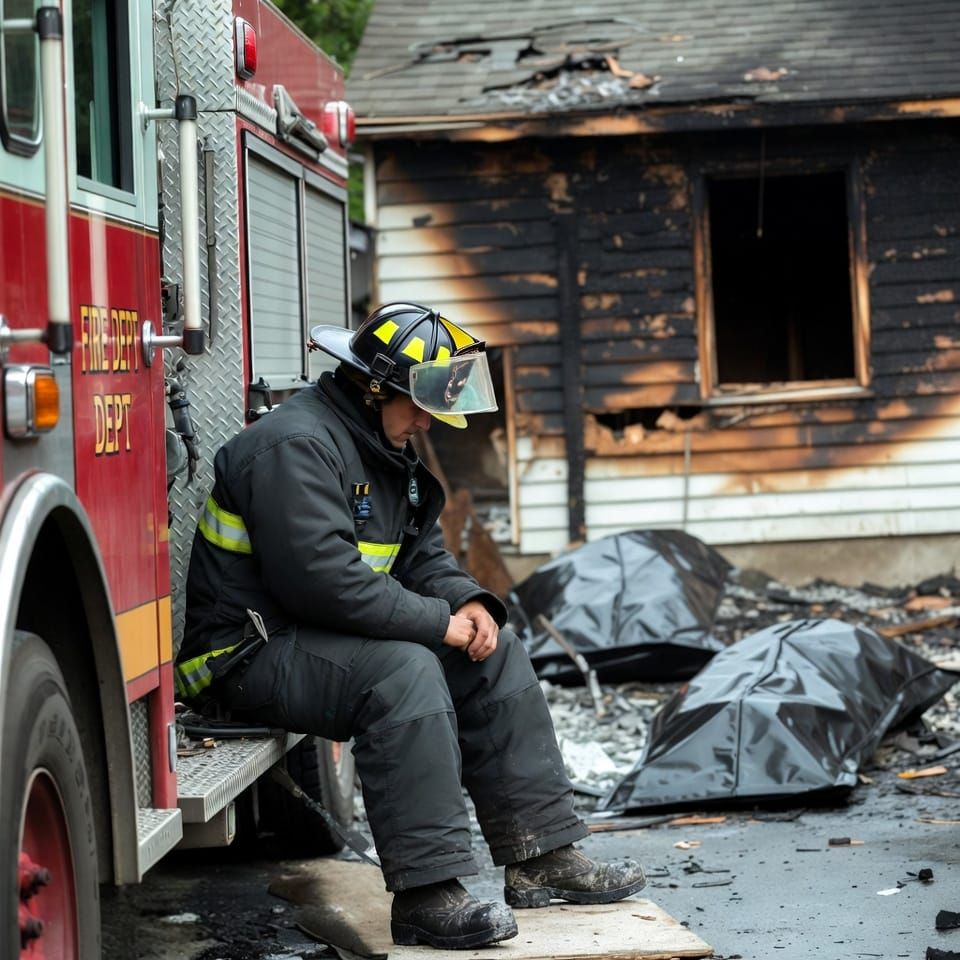
There is no single, universally agreed-upon percentage for the proportion of U.S. first responders (police officers, firefighters, EMTs/paramedics, dispatchers, etc.) who report or experience mental health problems, as rates vary by condition (e.g., PTSD, depression, anxiety, burnout), occupation, study methodology, and whether symptoms are current or lifetime. However, reliable sources consistently show substantially higher rates than in the general U.S. adult population.
Most Commonly Cited Overall Statistic
- Approximately 30% of first responders develop behavioral health conditions, including depression and posttraumatic stress disorder (PTSD), compared to about 20% in the general population.
This figure, drawn from a widely referenced 2018 SAMHSA Supplemental Research Bulletin (and frequently cited in later reports), serves as a broad benchmark for conditions linked to repeated trauma exposure, shift work, and occupational stress.
Breakdown by Specific Conditions
- PTSD:
- A 2025 global meta-analysis of active first responders (including U.S. data) found a pooled prevalence of 14.3% (about 1 in 7) for probable PTSD related to routine duties, and 8.3% (1 in 12) after large-scale disasters. Rates were similar across EMS (~15%), firefighters (~12%), and police (~14%).
- Other estimates range from 10–20% lifetime or career prevalence for firefighters and paramedics (vs. ~6.8% in the general population). Some studies show higher figures (up to 20–24%) in specific groups like wildland firefighters or EMS.
- One older but influential review suggested roughly 1 in 3 first responders may develop PTSD over a career.
- Depression and Anxiety:
- Symptoms of depression reported by 15–53% depending on the study and population (e.g., ~53% in a 2025 New York statewide survey; pooled estimates around 15–31% in systematic reviews).
- Anxiety symptoms: Often in the 15–52% range (e.g., 52% in the New York survey).
- A 2022 meta-analysis found pooled depression prevalence of 31% and anxiety around similar levels among first responders responding to medical emergencies.
- Burnout, Stress, and Broader Symptoms:
- In the 2025 New York First Responder Mental Health Needs Assessment (over 6,000 respondents): 68% reported high stress, 59% burnout, 52% anxiety, 53% depression symptoms, and 38% PTSD symptoms.
- Other surveys show 50–85% reporting some mental health symptoms or challenges at some point, with high rates of sleep problems, relationship issues, and anger/withdrawal.
- Suicidality:
- Rates of suicidal ideation, plans, or attempts are significantly elevated (e.g., 37% of fire/EMS professionals contemplating suicide in some studies; lifetime ideation up to 46.8% in one firefighter sample). Suicide deaths often exceed line-of-duty deaths for firefighters and police.
Key Context and Variations
- Rates tend to be higher for EMS/paramedics than for police or firefighters in many studies, and can spike after major events (e.g., disasters, pandemics) or in high-trauma roles.
- Stigma remains a major barrier: Many first responders underreport or avoid seeking help due to fears of career repercussions, leading some experts to believe true prevalence is higher.
- A 2017 nationwide survey of over 2,000 first responders found 85% reported experiencing mental health symptoms.
- Recent data (post-2020) suggest possible increases linked to the COVID-19 pandemic, ongoing staffing shortages, and cumulative trauma.
These figures highlight a well-documented occupational mental health crisis, with first responders facing trauma exposure far exceeding that of the general public. Organizations like SAMHSA, the National Fallen Firefighters Foundation, and state agencies emphasize the need for peer support, reduced stigma, and better access to care.
Note that "reporting" mental health problems can differ from clinical diagnoses—self-reported symptoms in surveys are often higher than formal diagnoses.