What's the last thing you changed your mind about?
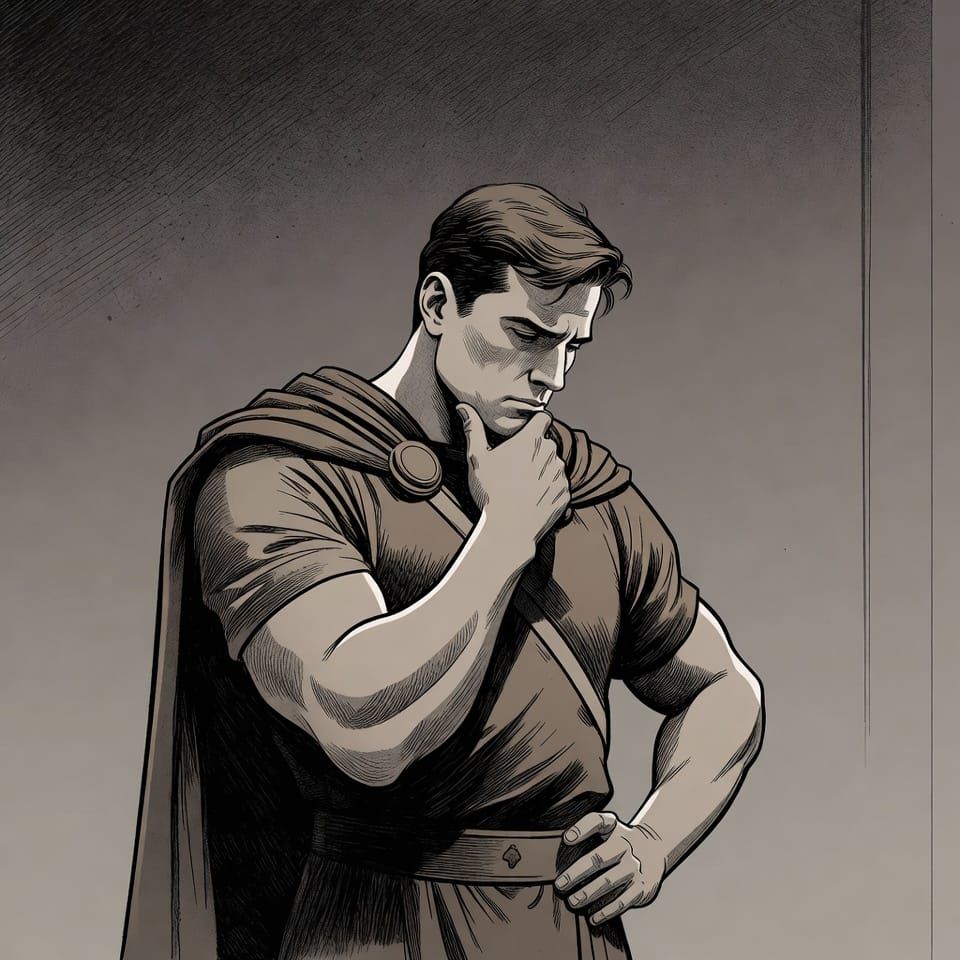
Changing a deeply held belief—such as a religious faith, political ideology, or core worldview—is rarely a quick or purely rational flip. It is a gradual, often messy psychological and emotional process involving cognitive dissonance (the discomfort of holding conflicting ideas), new information or experiences, social influences, and personal reevaluation. Research from psychology, including studies on religious deconversion, political attitude shifts, and general belief revision, shows it typically unfolds over months or years rather than in a single moment.
While no universal "one-size-fits-all" sequence exists (people vary by personality, environment, and the belief's centrality to their identity), common patterns emerge across models like the Transtheoretical Model (Stages of Change), faith deconstruction frameworks, cognitive dissonance theory (Leon Festinger), and qualitative studies of belief change. Here's a synthesized step-by-step process based on these insights:
1. Precontemplation / Unquestioned Commitment (Status Quo Phase)
- The belief feels foundational, integrated into identity, community, and daily life. Doubts, if any, are minimal or dismissed.
- People often deny or avoid information that challenges it ("This doesn't apply to me" or "Critics are biased/misinformed").
- Why it persists: Social reinforcement (family, friends, institutions), emotional comfort, and habit make the belief feel self-evident. Cognitive biases like confirmation bias filter out contradictions.
- Trigger for movement: Nothing yet—change feels unnecessary or impossible.
2. Emergence of Doubts / Contemplation (Cracks Appear)
- Exposure to anomalies or conflicting evidence: Personal experiences (e.g., hypocrisy in a religious community or policy outcomes clashing with ideology), new information (books, documentaries, conversations, life events like trauma or success), or moral inconsistencies.
- Cognitive dissonance builds: The old belief no longer fully explains reality, creating internal tension, anxiety, guilt, or confusion.
- The person starts weighing pros/cons privately. They might research, journal, or have internal debates. In religious cases, this often involves intellectual doubt (e.g., "Does this doctrine hold up?") or moral criticism (e.g., "This teaching conflicts with my values on justice").
- Emotional signs: Discomfort, defensiveness, or a vague sense that "something's off." Many people stay here for a long time, trying to resolve dissonance by rationalizing or compartmentalizing rather than changing.
- For politics: This might involve noticing real-world outcomes that contradict party talking points or encountering empathetic stories from "the other side."
3. Crisis / Deep Questioning (The Turning Point Builds)
- Doubts intensify and accumulate. A specific event (crisis, betrayal, major life change, or cumulative evidence) acts as a catalyst, making the old belief unsustainable.
- The person actively seeks alternatives or critiques: Reading opposing views, talking to people with different beliefs, or experimenting with new practices/behaviors.
- Emotional turmoil peaks—anger (at self, community, or the belief system), grief (loss of certainty/community), fear (what if I'm wrong? What will others think?), or bargaining ("Maybe I can reform it from within").
- Key mechanism: The brain's need for consistency pushes toward resolution. In deconversion studies, this often includes "reason and enquiry" alongside "criticism and discontent."
- Social factors matter: One-on-one conversations in low-threat settings are far more effective than debates or group pressure. Humility from both sides increases the chance of openness.
4. Exploration / Preparation and Action (Rebuilding)
- The person tests new ideas: Trying secular worldviews, different political lenses, or non-religious meaning-making. They might reduce participation in old communities (disaffiliation) while seeking new ones.
- Behavioral changes occur: Stopping rituals/practices, changing voting patterns, or engaging with new groups/information sources.
- Reconstruction begins: Forming a new self-image and value system. This involves "self-reevaluation" (aligning actions with emerging beliefs) and integrating personal development (e.g., greater emphasis on autonomy or evidence-based thinking).
- Challenges: "Religious residue" or ideological habits linger; rebuilding purpose and community takes time. Many feel a void and go through trial-and-error.
- In political shifts, this might involve nuanced positions rather than a full flip, as people rarely abandon every prior view.
5. Integration / Maintenance (New Equilibrium)
- The new belief (or nuanced version) solidifies as the default. Old beliefs fade in emotional power; new ones provide coherence and meaning.
- The person maintains it through habits, new social networks, and ongoing reflection. Relapse or partial backsliding can happen under stress.
- Long-term outcomes: Studies show personality changes during religious shifts are often small, with bigger effects on practices and specific beliefs rather than broad traits. Post-change, many report growth in areas like personal agency, though distress during the process is common.
6. Potential Relapse or Ongoing Evolution
- Change isn't always linear. External pressures (family, culture) or unresolved emotions can pull someone back temporarily.
- For many, the process leads to greater flexibility: A "meta-belief" in questioning and updating views rather than rigid certainty.
Factors That Influence the Process
- Internal: Openness to experience, intellectual humility, emotional resilience, and the belief's emotional ties (deeper identity links = harder change).
- External: Trusted sources (personal stories beat abstract facts), social networks (beliefs spread via relationships), timing (when not depleted or defensive), and repeated low-pressure exposure.
- Why it's hard: Brains treat core belief threats like physical danger (amygdala activation). Social intuition often overrides pure reason—people justify gut feelings post-hoc.
- Real-world note: Large shifts (e.g., leaving religion) sometimes precede related changes like becoming more politically liberal, but causation varies.
This process applies similarly to religious deconversion, political realignment, or other big shifts like career or relationship changes. It's rarely "won" by winning arguments; empathy, shared humanity, and self-directed questioning work better. If you're navigating this yourself, patience and support (therapists familiar with belief transitions or communities for "questioners") help. The goal isn't always total rejection of the old but a more examined, coherent worldview.