Why do different banks treat me differently?
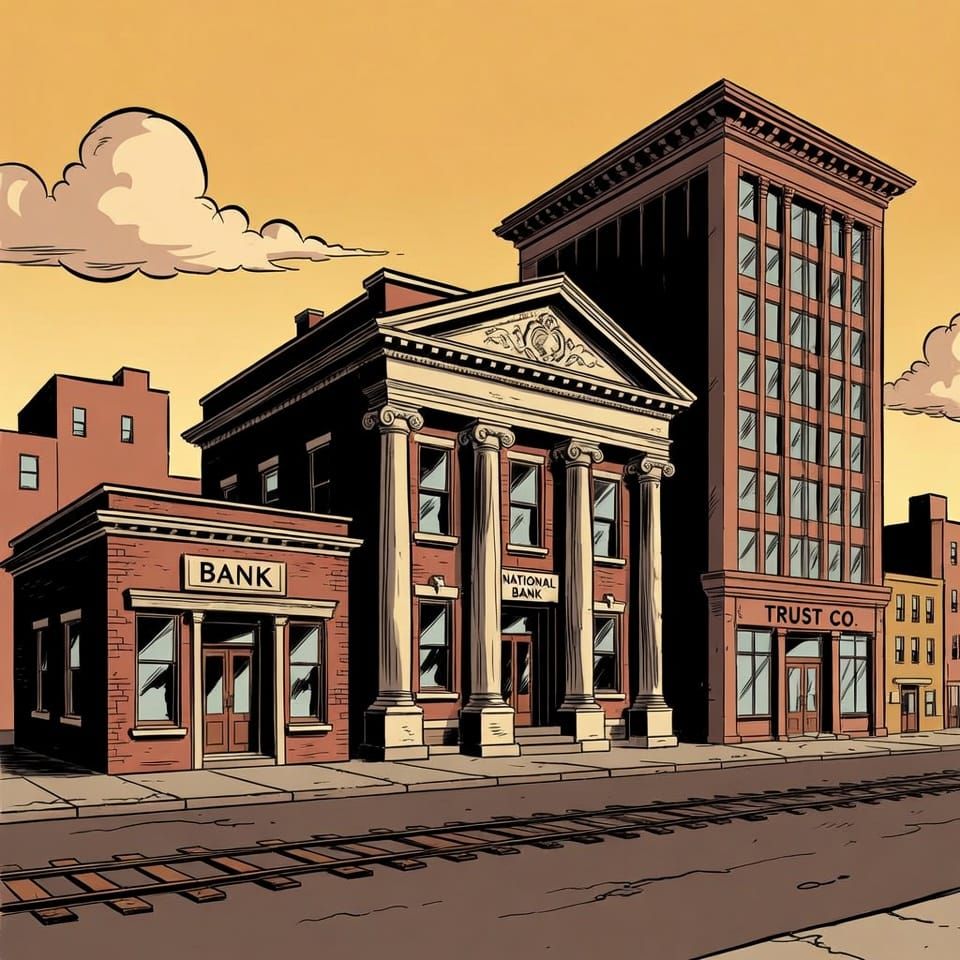
For a retail customer focused primarily on basic personal checking and savings accounts, the primary differences among community, regional, and national banks come down to a trade-off between personalized service and local feel versus convenience, accessibility, and technology. All three types generally offer similar core products (FDIC-insured checking/savings accounts, online banking, debit cards, etc.), but how you experience them varies significantly based on the bank's size, geographic footprint, and operating style.
1. Community Banks (typically under $10 billion in assets)
- Primary experience for you: High-touch, relationship-based banking. You are more likely to know (and be known by) your local branch staff or personal banker by name. Decisions on account features, fee waivers, or minor issues often feel more flexible and human rather than strictly policy-driven.
- Key advantages:
- Often lower fees (e.g., maintenance, overdraft, or ATM fees) and sometimes better interest rates on savings.
- Strong emphasis on knowing your local situation and community.
- Deposits tend to stay and support the local economy.
- Key drawbacks:
- Limited branches and ATMs—usually confined to a small town, county, or narrow region. Traveling or moving out of the immediate area can be inconvenient.
- Digital/mobile apps and advanced features may be less sophisticated or polished than at larger banks.
- Best for: Customers who value in-person service, live/work in one local area, and prefer a "neighborly" feel over nationwide access.
2. Regional Banks (typically $10–100+ billion in assets)
- Primary experience for you: A balanced middle ground. You get more personalized or localized service than at a giant national bank, but with broader access and more modern tools than most community banks.
- Key advantages:
- Wider branch/ATM network across multiple states or a larger region (often 100+ branches on average).
- Competitive (sometimes lower) fees and rates compared to national banks, plus a decent mix of digital features.
- Still often emphasizes community ties and somewhat more flexible customer service than big banks.
- Key drawbacks:
- Not as ubiquitous as national banks if you travel frequently across the entire country or need branches everywhere.
- Product variety and app sophistication are strong but may not match the absolute top-tier tech of the largest players.
- Best for: Customers who want a mix of personal attention and reasonable geographic coverage without feeling like "just a number."
3. National Banks (often $100+ billion, with some in the trillions; nationwide footprint)
- Primary experience for you: Standardized, convenient, and highly scalable banking. Processes are consistent across locations, but interactions can feel more transactional and less personal.
- Key advantages:
- Extensive nationwide (and often international) branch and ATM networks—ideal if you travel, relocate often, or want access "almost everywhere."
- Advanced digital banking apps, mobile deposit, robust online tools, 24/7 support, and a wide array of integrated services (though you may only need basic checking/savings).
- High consistency and reliability in systems and security features.
- Key drawbacks:
- Often higher fees on average (maintenance, overdraft, ATM outside network) and more standardized (less flexible) policies.
- Customer service can feel more impersonal or call-center driven rather than relationship-based.
- Best for: Customers who prioritize convenience, seamless access while traveling or moving, and cutting-edge technology over personalized interactions.
Quick Summary of the Primary Difference for a Retail Checking/Savings Customer
- Community: Most personal and local → potentially lower costs and better service feel, but limited access outside your immediate area.
- Regional: Balanced compromise → decent personalization + broader (multi-state) access and competitive features.
- National: Maximum convenience and technology → best nationwide access and digital experience, but often at the cost of higher fees and less personal touch.
Other factors like specific rates, fees, and promotions vary by individual bank and can change, so it's always worth comparing current offerings (e.g., via the bank's website or tools like Bankrate). All are typically FDIC-insured up to $250,000 per depositor, so safety is comparable. Your location (such as Omaha, Nebraska) may influence options—local community or regional banks there could provide strong personalized service, while national banks offer easy access if you travel frequently.