Why do I have to get out of the 'fast' lane?
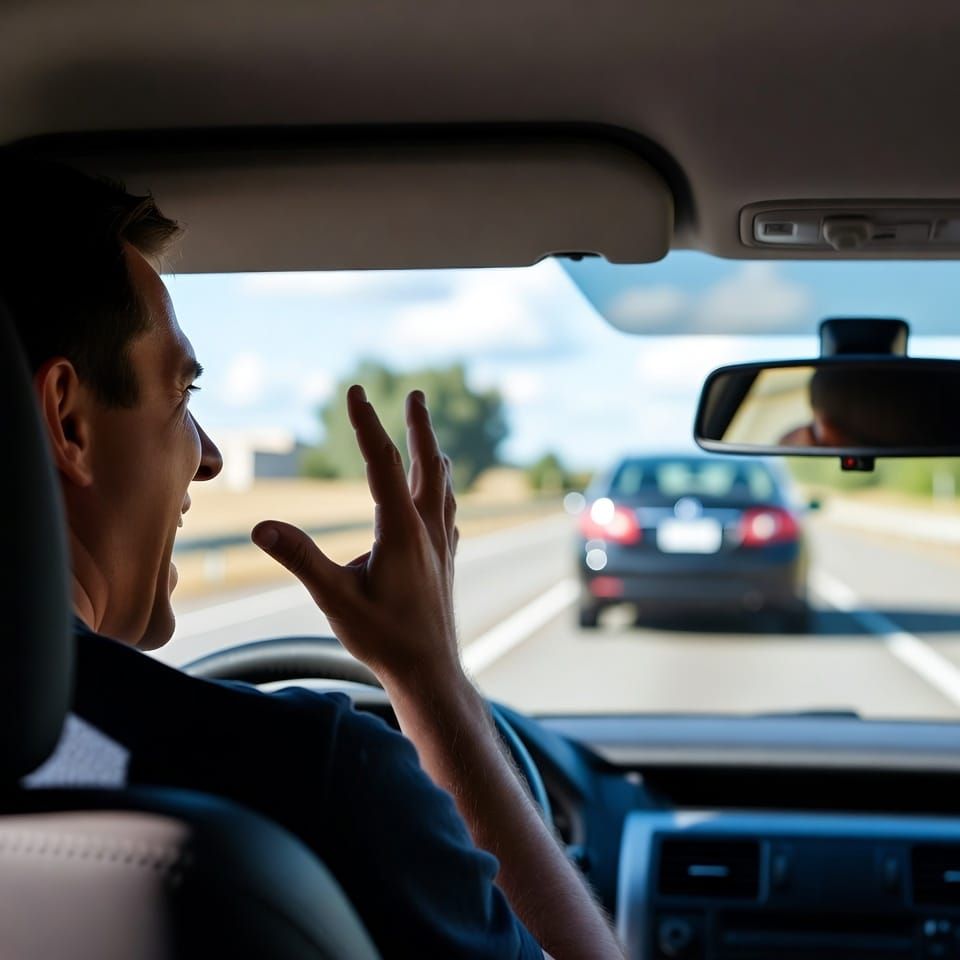
Key Principle: "Keep Right Except to Pass"
Most states follow rules based on the idea that any vehicle traveling slower than the normal speed of traffic should drive in the right-hand lane when there are two or more lanes in the same direction. The left lane is for:
- Overtaking and passing slower vehicles.
- Preparing for a left turn at an upcoming intersection (you move left in advance when safe).
- Certain other exceptions like avoiding obstructions or when traffic conditions require it (e.g., heavy congestion where all lanes move slowly).
Many state laws state that vehicles proceeding at less than the normal speed of traffic must use the right-hand lane (or as close as practicable to the right edge), with exceptions for passing or preparing for a left turn.
This applies to multi-lane roadways in general, though enforcement and exact wording can vary slightly by state or whether it's a high-speed highway vs. a lower-speed arterial road.
Does the Presence of Left Turns Change This?
No, not fundamentally. The ability to turn left (from driveways, side streets, or intersections) is a normal part of urban/suburban driving, but it does not make it acceptable for drivers to camp in the left lane at a slower speed indefinitely.
- If you need to turn left soon, signal and move to the left lane in a timely manner when it's safe. After completing the turn (or if you decide not to turn), return to the right lane if you're not passing.
- Driving slower than surrounding traffic in the left lane for long stretches—because "there might be left turns"—impedes faster traffic behind you. This can lead to unsafe passing on the right, frustration, or weaving, which increases accident risk.
- In areas with frequent left turns, some drivers treat the left lane like a "driving lane," but best practice and most state laws still prioritize keeping the flow moving by staying right unless actively passing or turning imminently.
On true urban "surface streets" (non-freeway arterials with many intersections and signals), the rules are sometimes applied more flexibly because speeds are lower and stops are frequent. However, the core safety advice remains: don't block the left lane if you're not using it for its intended purposes.
Why This Matters for Safety and Flow
- Traffic flow: When slower drivers stay right, faster traffic can pass efficiently on the left without disruption. "Left lane campers" (even at the speed limit) force others to pass on the right, which is legal in many places but riskier.
- Accident reduction: Studies and traffic experts note that improper lane use contributes to congestion and collisions. Everyone benefits when lanes are used predictably.
- Etiquette and law: Going slower than traffic in the left lane is generally not acceptable, even if left turns exist. The exception is brief use for turning or when traffic is jammed and both lanes crawl at similar speeds.
Practical Advice for Urban/Suburban Two-Lane Roads
- Default: Stay in the right lane unless you're actively passing or about to turn left.
- If turning left: Move over when safe, signal early, and don't linger.
- If someone is slower ahead in the right lane: Use the left to pass, then return right promptly.
- If you're the slower driver: Stick to the right; let others pass you on the left.
- Watch for signs like "Slower Traffic Keep Right" on multi-lane roads.
These rules promote smoother, safer driving for everyone. In dense urban areas with lots of turns and signals, patience helps, but hogging the left lane isn't the solution—it's often the problem. If you're ever unsure in a specific situation, the safest move is usually to default to the right lane.