How much do minor league baseball players make?
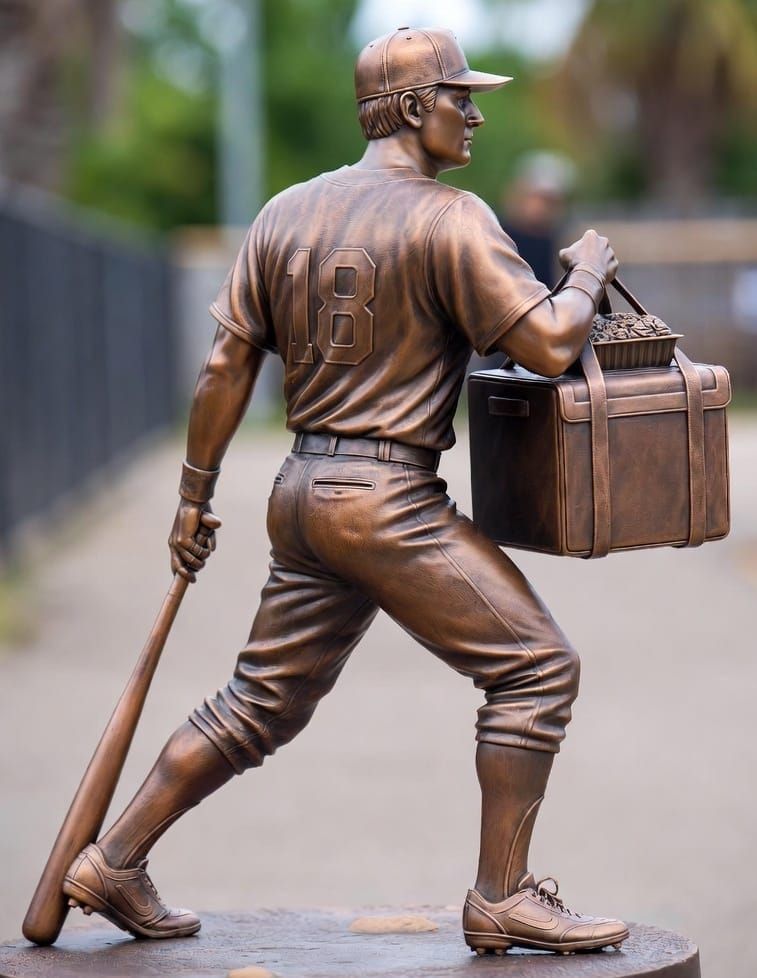
In 2026, minor baseball league pay is $710 a week at Rookie level, up to $1,250 at Triple-A. That works out to roughly $18,000 to $44,000 a year, depending on level and how much offseason work they do. Clubs cover housing and two meals a day during the season, plus some per diem on the road.
Most players don't need a second job during the season, thanks to the housing and food perks, but plenty hustle in the true offseason - mainly coaching baseball lessons, substitute teaching or coaching - because the money's still tight for the lower levels.
Typical offseason jobs for minor league baseball players are a mix of flexible, part-time gigs that fit around their mandatory training schedules. The “true” offseason runs roughly from early October through February, when spring training starts - about 5-6 months. Thanks to the latest collective bargaining agreement (CBA), players now get some pay during required offseason training periods at club facilities ($260-$660/week depending on location and phase), but that still doesn’t cover living expenses for most of the year, especially at lower levels. So almost everyone hustles for extra cash.
Most Common Offseason Jobs
Here’s what players actually do (drawn from player interviews, former minor leaguers, and recent accounts):
- Baseball-related work (by far the most popular): Giving private hitting/pitching lessons, coaching youth travel teams, or working as instructors at training facilities. It keeps them in baseball shape, lets them network, and pays decently (often $50–$100+ per hour for lessons). Many players run their own small clinics or work at places like Driveline Baseball-style gyms. Examples: Eric Sim (former MiLB player) gave lessons 4–7 p.m. daily after his own training; Luke Barker combined strength coaching + lessons + woodworking side hustle.
- Gig economy / delivery apps: DoorDash, Uber Eats, pizza delivery, or rideshare (Uber/Lyft). Super flexible—players can work evenings or weekends around gym sessions. Several recent players have mentioned this as a go-to because you set your own hours.
- Retail and grocery: Stocking shelves, cashiering, or overnight shifts at places like Walmart, grocery stores, or Home Depot. Caleb Joseph (who made it to the majors) worked in a grocery store during his minor-league winters.
- Food service / hospitality: Waiting tables, bartending, or restaurant work. One clubbie (close to players) waited tables in Birmingham; Eric Sim bartended weekends at the family business on Vancouver Island while commuting for training.
- Substitute teaching: Very common because the schedule is flexible and it’s familiar for guys who went to college. Multiple players have cited this as a steady, low-stress option.
- Manual labor / trades: Landscaping, construction (flooring, fences, roofing, demolition), or general handyman work. JP Feyereisen did flooring jobs + gym front-desk shifts alongside lessons. It’s physical, pays cash, and builds strength that translates to baseball.
- Gym / fitness desk or personal training: Front-desk work at a local gym or becoming a certified strength coach for athletes.
- Other / creative: Woodworking and selling furniture (one player built and sold chairs), family business help, movie theater jobs, or even pursuing college classes part-time.
How They Balance It
Players usually structure their days like this (example from Eric Sim’s routine):
- Early morning gym/conditioning
- Midday baseball-specific training (throwing program, hitting, video analysis—often driving hours to facilities like Driveline)
- Afternoon/evening job or lessons
- Late conditioning + recovery, in bed by 10 p.m.
Many live with family to cut costs, and lower-level guys (Rookie/A-ball) need the income far more than Triple-A veterans.
Bonus: Winter Ball for Some
A smaller group (often Latin American players or those invited by their organizations) heads to winter leagues in the Dominican Republic, Mexico, or Puerto Rico. It pays better than most U.S. offseason jobs and counts as baseball development, but it’s not available to everyone and the schedule is grueling.
Bottom line: Even with the 2022–2026 pay raises and housing perks, the minors still aren’t a year-round living for most. Offseason work is part of the grind—players treat it as seriously as the season because every dollar (and every rep) matters when you’re fighting for a big-league shot. Many describe it as “the real work begins when the season ends.”
Only about 10% of minor leaguers ever play even one game in the majors. That number is a bit higher if you're already at Triple-A, but overall it's a long shot.
There are roughly 6,000 to 7,000 players in the minors across all 30 organizations. Each team can carry about 165 under contract now.
It's a grind—better than the old days, but still not a living for most.