What raises the most: kittens and puppies, sick children, or First Responders?
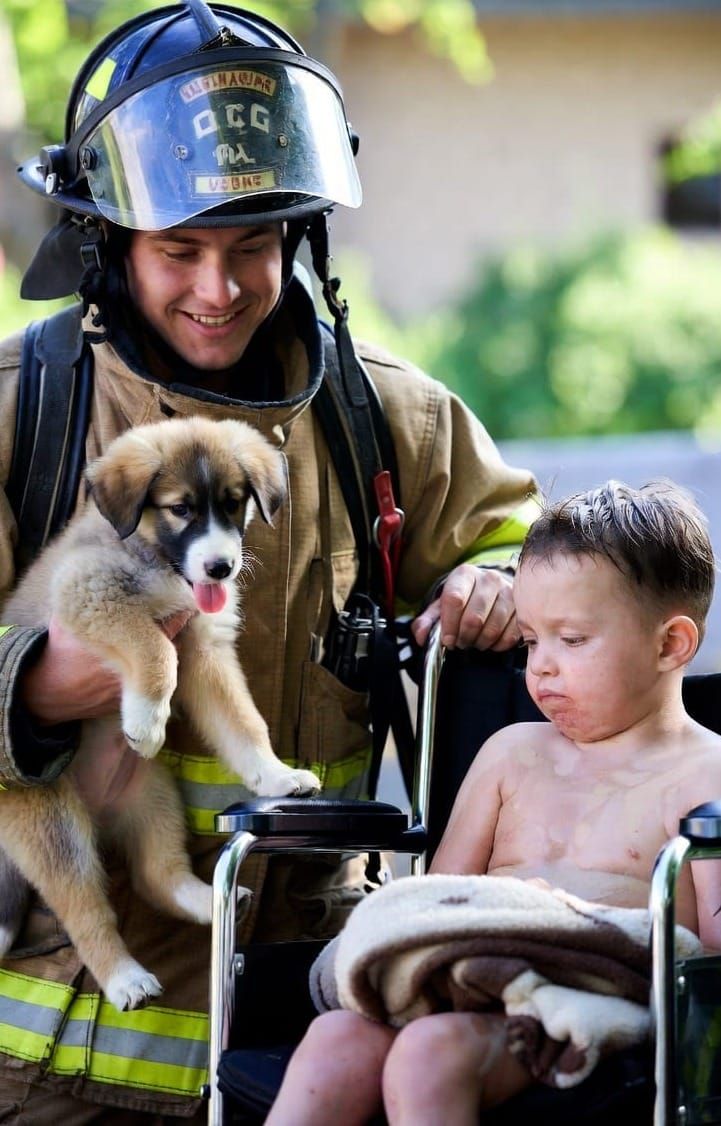
Charities focused on sick children (especially pediatric hospitals and cancer research/treatment) generally do the best in terms of total fundraising dollars raised from private donations in the US. Animal welfare charities (particularly those dealing with cats, dogs, kittens, and puppies) perform well in terms of broad public appeal and participation rates but raise significantly less overall money as a sector. First Responders (police, firefighters, EMS, etc.) tend to raise the least among the three categories, though specific well-known organizations or disaster-related appeals can do better.
Sick Children Charities
These consistently rank among the top fundraising nonprofits:
- St. Jude Children’s Research Hospital (via ALSAC) raised around $2.3–2.8 billion in private donations in recent years, placing it near the very top of US charity lists (often #2 or #3 overall).
- Other children's hospitals and related causes (e.g., Shriners Hospitals for Children) also appear high on revenue lists.
- Why they succeed: Emotional storytelling around innocent, vulnerable kids with life-threatening illnesses (like cancer) resonates deeply. Strong national branding, TV ads, and events drive massive small-donor participation. These causes often benefit from high-visibility campaigns and legacy giving.
Animal Welfare Charities (Cats, Dogs, Kittens, Puppies)
These are popular but raise far less in aggregate:
- Large groups like the ASPCA or HSUS bring in hundreds of millions annually (e.g., ASPCA around $300–400 million in recent years), but the entire "environment and animals" category accounts for only about 3% of total US charitable giving.
- Companion animal shelters and rescues (puppies/kittens especially) attract a lot of donors—animal welfare is often one of the most popular individual causes by participation (e.g., 25–28% of people donate to animals in some surveys), with cute visuals of pets driving impulse giving and social media shares.
- However, total dollars lag behind children's or health causes. National animal groups sometimes face criticism for high fundraising costs or limited grants to local shelters, which can affect donor trust over time.
First Responders Charities
These generally raise the smallest totals among the three:
- Organizations supporting fallen firefighters, police survivors, or general first responder aid (e.g., First Responders Foundation, Gary Sinise Foundation for veterans/first responders) exist and can do well in targeted appeals, but they rarely crack the top national fundraising lists.
- Giving to "fire, police, and emergency rescue" is a smaller slice of donations compared to children or animals. Success often spikes with specific disasters or heroism stories, but baseline ongoing fundraising is more limited than the emotional pull of sick kids or adorable puppies.
Key Comparisons and Factors
- Scale: Sick children charities dominate the billion-dollar club. Animal causes get broad participation but lower per-donor amounts on average as a sector. First responders are niche by comparison.
- Emotional appeal: All three tap into strong emotions (vulnerability, heroism, cuteness), but "sick kids" and "helpless puppies/kittens" often edge out in donor testing and ads. People frequently give more readily to animals than to certain human causes in head-to-head scenarios, but children's hospitals still win on raw dollars due to scale and branding.
- Donor behavior: Many people spread donations across causes. Animal donors also support children's or health charities. Overall US giving prioritizes religion, human services, education, and health far above animals (3%) or specific first-responder groups.
- Efficiency note: Always check overhead via Charity Navigator, GuideStar and check with the IRS. Big names in all categories can have high fundraising costs (e.g., heavy TV/mail campaigns), while local shelters or smaller first-responder funds may direct more to programs.
If you're fundraising for one of these:
- Sick children offers the highest potential ceiling with professional campaigns.
- Cats/dogs/puppies/kittens can excel with viral, feel-good local or social media efforts.
- First responders may work best tied to community events or specific stories of service/sacrifice.
Success depends heavily on execution: storytelling, visuals (adorable animals or brave kids/first responders), donor targeting, and transparency. Local versions of any cause often outperform big nationals for grassroots efforts.