What does it take for the military to install a nuclear reactor for a base?
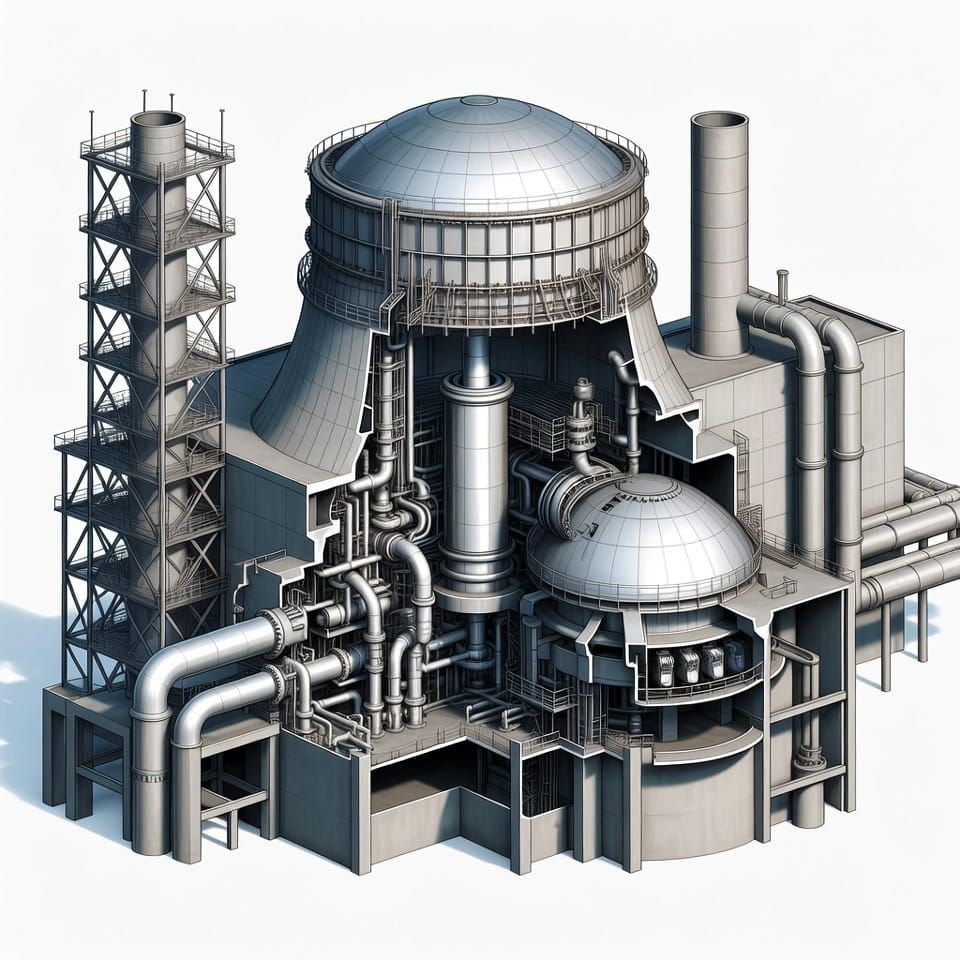
Nuclear microreactors proposed for U.S. military bases (under the Army’s Janus Program and Air Force’s Advanced Nuclear Power for Installations/ANPI program) are compact, factory-fabricated advanced nuclear systems (typically 1–20 MWe, or up to ~60 MW thermal in some designs) designed for rapid deployment, minimal on-site construction, long refueling intervals (often 3+ years), and high inherent/passive safety.
These are not traditional large reactors; they are modular, often shipped in standard 20-foot ISO shipping containers (e.g., Project Pele fits in 3–4 containers), transportable by truck, rail, barge, or even C-17 aircraft, and intended for contractor-owned/operated setups at domestic bases to provide resilient, grid-independent baseload power for critical missions.
Current proposals (April 2026) target initial operations by 2028–2030 at selected sites including Army bases (e.g., Fort Benning, Fort Bragg, Fort Campbell, etc.) and Air Force/Space Force sites like Buckley SFB (CO – Radiant Industries), Malmstrom AFB (MT – Westinghouse), Joint Base San Antonio (TX – Antares), and Eielson AFB (AK – OK).
Equipment and Requirements for Installation
Microreactor installation is deliberately simplified compared to conventional nuclear plants—focusing on modular assembly rather than years-long civil works. Key steps and equipment include:
- Site Preparation (typically 12–24 months): Excavation and grading equipment (bulldozers, excavators); geotechnical drilling rigs for core borings and soil/hydrology analysis; meteorological monitoring stations (24 months of data required for licensing). Minimal land use (often <2 acres) with small concrete foundation/pad pouring for container placement.
- Module Transport and Placement: Heavy-lift cranes or specialized transporters for 20–40 ton shipping-container-sized modules; over-the-road or multimodal transport packages certified under 10 CFR Part 71 (NRC/DOT requirements for shielding and criticality safety).
- Balance-of-Plant Integration: Turbines, generators, steam systems (or direct power conversion), switchyard equipment (transformers, switchgear), and electrical tie-ins to the base microgrid. HVAC, ductwork, mechanical systems, and sheet-metal fabrication for enclosures or reactor buildings (if not fully self-contained). Black-start and grid-parallel capabilities are standard requirements.
- Safety and Security Features: Radiation shielding (often integral to the modules), perimeter fencing/surveillance, access controls, and on-site radiation monitoring instrumentation. Environmental reviews (NEPA) and Army/NRC licensing focus on seismic, sky-shine radiation, and emergency preparedness.
For mobile/demo designs like Project Pele (BWXT, gas-cooled, TRISO fuel), Army Corps of Engineers and National Guard personnel are trained for rapid assembly (days) and setup at the demonstration site at Idaho National Laboratory. Fixed-base versions emphasize even simpler “plug-and-play” pads with contractor-led construction.
Equipment and Requirements for Maintenance
These systems are engineered for low maintenance and remote/onsite monitoring, with commercial operators handling most nuclear-specific work under Army regulation (AR 50-7) or NRC oversight:
- Routine Operations: On-site control room (local, not wireless/remote for security). Diagnostic sensors, automated monitoring systems, and radiation protection instrumentation. Minimal staffing due to passive safety (no active intervention needed for many transients).
- Periodic/Refueling Maintenance: Specialized fuel handling casks and remote tools for spent fuel removal (core modules shipped off-site every few years). Non-core irradiated materials removed within ~2 years; full decommissioning plans required. Waste transport follows 10 CFR Part 71.
- Support Systems: HVAC/mechanical maintenance tools, nuclear-grade pumps/valves if applicable, turbine/generator servicing equipment, and cybersecurity-compliant remote diagnostics (NIST 800-171). Skilled contractors include nuclear engineers, certified reactor operators, and trades in mechanical, sheet metal, and industrial fabrication.
- Security and Oversight: Armed guards, physical barriers, personnel screening, and surveillance—adapted from military nuclear protocols. Decommissioning returns the site to unrestricted release status.
In short, the appeal of these microreactors for military bases lies in their “deploy-and-forget” philosophy: factory-built modules minimize on-base disruption, while commercial operation shifts most technical burden (and liability) away from uniformed personnel. Challenges include supply-chain needs for nuclear-grade components, regulatory acceleration, and community engagement.